Overview: The History of KLCC
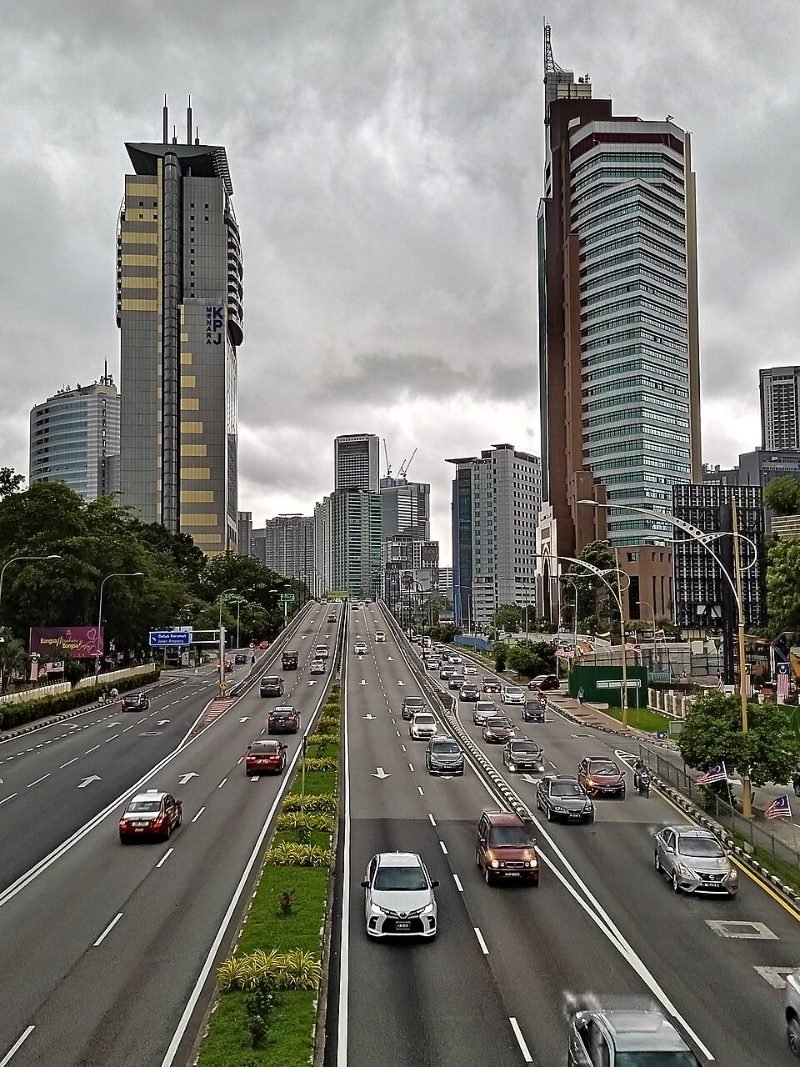
Understanding history of KLCC helps tenants and businesses budget with confidence. When comparing history of KLCC, always check whether figures are gross or net of service charges. Tracking history of KLCC over time makes it easier to time a renewal or relocation. Benchmarking history of KLCC across buildings keeps fit-out and headcount plans realistic. In short, history of KLCC reward tenants who do their homework before signing.
The Kuala Lumpur City Centre (KLCC) precinct occupies the site of Malaysia’s former Selangor Turf Club, a colonial-era horse racing venue that stood for over a century before being vacated in 1992 to make way for what would become the most ambitious urban development in Southeast Asian history. In little over three decades, the 40-hectare site has been transformed from a racecourse into Malaysia’s most recognisable urban precinct — home to the world’s tallest twin towers, the country’s premier financial district, and one of Southeast Asia’s most concentrated office markets.
Quick Facts: KLCC History
- Former use: Selangor Turf Club (horse racing), established 1896
- Turf Club vacated: 1992 (relocated to Seri Kembangan)
- KLCC master plan announced: 1992 under Prime Minister Dr Mahathir Mohamad
- Petronas Twin Towers completed: 1996 (officially opened 1998)
- Suria KLCC opened: 1998
- Total development area: Approximately 40 hectares
- KLCC Park opened: 1998 — designed by Brazilian landscape architect Roberto Burle Marx
- Designation: Malaysia’s premier financial district and most recognised urban landmark
Key takeaway: KLCC’s transformation from a colonial racecourse to a global financial landmark in under 30 years is one of the most dramatic urban development stories in Asia. Understanding this history explains why the address carries the weight it does — it was built with deliberate intent to project Malaysia onto the world stage, and the Petronas Twin Towers became the single most recognisable symbol of that ambition.
Origins: From Tin Mining to Turf Club
Kuala Lumpur itself grew from a tin mining settlement at the confluence of the Klang and Gombak rivers in the 1850s. The colonial-era city developed around the trading and administrative infrastructure built by the British, and by the early 20th century Kuala Lumpur had become the capital of the Federated Malay States. The Selangor Turf Club was established on its KLCC site in 1896 — a 70-acre racecourse that occupied the heart of what was then the northern edge of the growing city. For nearly a century, the Turf Club was a fixture of Kuala Lumpur life, hosting races attended by colonial administrators, Malay royalty, and Chinese business elites. As Kuala Lumpur expanded northward, the Turf Club site became increasingly central — and increasingly valuable.
The Petronas Era: Towers and Transformation (1992–2000)
The decision to develop the KLCC site was part of Prime Minister Dr Mahathir Mohamad’s broader Vision 2020 programme — Malaysia’s strategic plan to achieve developed-nation status by 2020. The KLCC development was conceived as a physical statement of national aspiration: the Petronas Twin Towers, designed by Argentine-American architect César Pelli, were explicitly intended to be the world’s tallest buildings, and they achieved that status when completed in 1996 (floors) and officially opened in 1998, at 452 metres with their pinnacles. The towers were occupied by Petronas — Malaysia’s national oil company — and its subsidiaries, making the site both a symbolic and commercial centrepiece of the Malaysian economy.
The supporting infrastructure — Suria KLCC mall, KLCC Park, the Mandarin Oriental Hotel, Menara Maxis, and the LRT station — developed in parallel, creating a self-contained precinct that mixed retail, office, hospitality, and public open space in a way that was unprecedented in Southeast Asia at the time. By the early 2000s, KLCC had established itself as the premier address for Malaysia’s financial services and MNC community, a status it has maintained for over two decades.
KLCC Today: Mature Market, Ongoing Development
In 2026, KLCC is a mature, established office market of approximately 15+ Grade A office towers, hosting over 200 multinational companies and anchoring Malaysia’s financial services industry. The original Petronas-developed buildings — Menara Maxis, Menara 3 Petronas, the Twin Towers — remain among the precinct’s most prestigious addresses, operated by KLCC Property Holdings (a Petronas subsidiary) with institutional management standards that have been consistent for nearly 30 years. Newer additions to the KLCC supply — Naza Tower, G Tower, and developments along the Jalan Ampang corridor — have expanded the precinct’s footprint and added supply that has contributed to the market’s current vacancy rate of approximately 18–22%.
KLCC’s Evolution as an Office Market
| Era | Development | Impact on Office Market |
|---|---|---|
| 1992–1998 | KLCC master plan; Twin Towers construction; Suria KLCC; Menara Maxis | KLCC established as Malaysia’s premier address |
| 1998–2010 | Financial crisis recovery; MNC influx; G Tower, Naza Tower additions | KLCC consolidates as SEA financial hub |
| 2010–2020 | New supply on Jalan Ampang corridor; TRX announced; Bangsar South emerges | Greater KL office market diversifies; KLCC faces competition |
| 2020–2026 | Pandemic impact; TRX opens; hybrid working normalises; vacancy rises | Tenant-favourable market; incentives increase; demand quality-driven |
For official market and investment context, see MITI and MIDA. For practical leasing steps, read our guide on how to rent office space in KLCC, which complements this overview of history of KLCC.
Frequently Asked Questions
When were the Petronas Twin Towers built?
Construction of the Petronas Twin Towers began in 1993 and was completed in 1996 in terms of structural completion. The towers were officially opened on August 28, 1999. They held the title of the world’s tallest buildings from 1998 to 2004, when they were surpassed by Taipei 101.
What was on the KLCC site before the development?
The Selangor Turf Club occupied the site from 1896 until it was relocated to Seri Kembangan in 1992. Before the turf club, the land was largely uninhabited forest on the northern edge of colonial Kuala Lumpur.
Who designed the Petronas Twin Towers?
The Petronas Twin Towers were designed by Argentine-American architect César Pelli of Pelli Clarke Pelli Architects. The design drew on Islamic geometric patterns — each tower’s floor plan is based on an eight-pointed star created from two overlapping squares — reflecting Malaysia’s Muslim heritage. The landscape and park design was by Brazilian landscape architect Roberto Burle Marx.
Is KLCC still expanding?
The immediate KLCC precinct is largely built out. Development continues in the broader Golden Triangle area — TRX (Tun Razak Exchange), located approximately 2 kilometres south, is KL’s most significant new office development. Within the KLCC precinct, any remaining sites are limited and would require significant redevelopment.
Related Articles
- Why a KLCC Business Address Matters
- KLCC Office Market Report 2026
- Top 10 Companies Headquartered in KLCC
- KLCC Office Rental Prices in 2026
- MNC Regional Headquarters in KLCC
This article is part of our complete guide to Office Space for Rent in KLCC — explore the full hub for everything on pricing, buildings, leasing and more.