Overview: How to Choose the Right Floor in a KLCC Tower
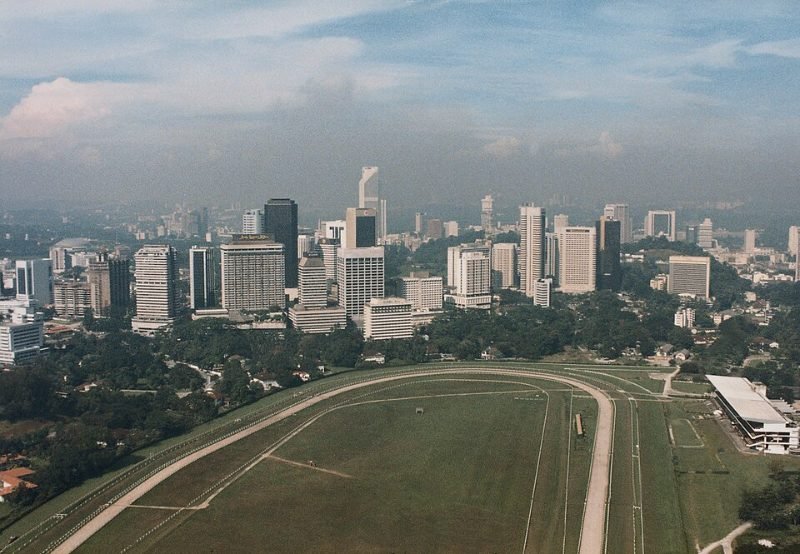
Understanding How to choose the right floor in a KLCC tower helps tenants and businesses budget with confidence. When comparing How to choose the right floor in a KLCC tower, always check whether figures are gross or net of service charges. Tracking How to choose the right floor in a KLCC tower over time makes it easier to time a renewal or relocation. Benchmarking How to choose the right floor in a KLCC tower across buildings keeps fit-out and headcount plans realistic. In short, How to choose the right floor in a KLCC tower reward tenants who do their homework before signing.
In a KLCC Grade A tower, not all floors are equal. The floor you occupy affects your rent, your views, your lift waiting time, your perception by visitors, and the quality of natural light in your workspace. Understanding the floor hierarchy — and how to evaluate which floor is worth the premium — is a practical skill for any KLCC tenant. This guide cuts through the hierarchy and gives you a framework for making the floor decision intelligently.
Quick Facts: Floor Selection in KLCC Towers
- Typical floor premium: RM0.30–1.00 psf/month per 10 floors higher
- Upper floor definition (KLCC): Floors 30+ in a 50+ storey building
- Best floor for views: Floors above neighbouring building rooflines (varies by building)
- Lobby-level offices (floors 1–5): Often retail, bank, or back-of-house — less desirable for professional offices
- Lift congestion floors: Highest floors have best service in buildings with sky lobbies; lower mid-rise floors can have slower service
- Availability bias: Upper floors are typically leased first and held longest — lower floors often have more immediate availability
Key takeaway: For client-facing businesses, the floor premium for a high-floor KLCC suite is commercially justified — the view, the visitor impression, and the status signal are real. For back-office, technology, or headcount-heavy operations where clients rarely visit, the premium is not justified. Match your floor selection to your business use case.
The KLCC Floor Hierarchy
KLCC towers can be broadly divided into three zones. Lower floors (typically floors 1–15): These floors may be at or below the roofline of surrounding developments, limiting views. They are often used for banking branches, retail, building management offices, and occasionally small professional suites. In some towers, lower floors carry a discount of RM0.50–1.00 psf versus mid-rise. Natural light may be partially obstructed. Mid-rise floors (typically floors 15–30): The most commonly leased band for corporate tenants. Views open up above surrounding buildings, natural light is good, and lift access from the ground lobby is efficient. Rents are at or near the mid-market rate for the building. This is where most of the available inventory sits in a typical KLCC tower. Upper floors (typically floors 30+): Command premium rents for views, prestige, and the perception of occupying the top tier of the building. In 50–60 storey towers, floors above 40 offer genuinely panoramic views of the KL skyline, KLCC Park, and — on clear days — the full Klang Valley. The premium over mid-rise is typically RM0.50–1.50 psf, depending on the building and available floor. Upper floors are also the most scarce — and for that reason, often the least immediately available.
Practical Considerations Beyond Prestige
Lift access and waiting time matter more than most tenants realise during due diligence. In buildings with a single set of lifts serving the entire tower, upper-floor tenants can experience 3–5 minute waits during peak hours. High-quality KLCC towers use zoned lift systems (low-rise, mid-rise, high-rise zones) or sky lobbies that improve upper-floor service — confirm the lift system before committing to a high floor. Natural light: orientation matters more than floor level for natural light quality. East-facing floors get morning sun and shade in the afternoon (typically better for workplaces). West-facing floors get afternoon glare that requires blinds or film treatment to manage. North and south orientations provide more even, diffuse light year-round (Malaysia is in the tropics — there is no significant seasonal light variation). Privacy: in the mid-rise zone of some KLCC towers, adjacent buildings are at similar height, creating line-of-sight between offices. Upper floors above neighbouring buildings avoid this. Floor plate shape: confirm whether the specific floor you are considering has an irregular or reduced floor plate (common at plant room levels and building step-backs) that may reduce usable area.
Floor Comparison Guide
| Floor Zone | Views | Rent Premium | Lift Service | Best For |
|---|---|---|---|---|
| Low (1–15) | Limited / obstructed | Discount 0–RM1.00 psf | Fast — dedicated low-rise lifts | Back-office, cost-sensitive |
| Mid (15–30) | Good — opens up above surrounds | At market rate | Moderate — peak hour wait | Most corporate tenants |
| High (30–45) | Excellent — panoramic | +RM0.30–0.80 psf | Depends on lift system | Client-facing, premium brand |
| Top (45+) | Premium — 360° city views | +RM0.80–1.50 psf | Sky lobby — usually good | Flagship offices, senior leadership |
Who This Is For
- Tenants in the process of shortlisting specific floors in KLCC towers and wanting a framework for the decision
- Companies negotiating a KLCC lease who want to understand whether the floor premium is justified for their use case
- Businesses that receive frequent high-profile client visits and want to maximise the impression their office makes
Considerations Against High Floors
- For operations-heavy businesses (IT teams, large back-office, call centre functions) where clients rarely visit, the floor premium adds cost with no commercial return
- Buildings without sky lobby lift systems may have poor service to upper floors during peak hours — always test lift wait time during a building visit at 9am or 5:30pm before committing to upper floors
For official market and investment context, see MITI and MIDA. For practical leasing steps, read our guide on how to rent office space in KLCC, which complements this overview of How to choose the right floor in a KLCC tower.
Frequently Asked Questions
How much more expensive is a high floor in a KLCC tower?
The floor premium in KLCC Grade A towers is typically RM0.30–1.00 psf per 10-floor increment. A floor 30 levels above a mid-rise baseline might cost RM1.00–1.50 psf more. On a 5,000 sq ft office, that is RM5,000–7,500/month premium — RM180,000–270,000 over a 3-year lease.
Do upper floors in KLCC towers have better views?
Yes — above approximately floor 30 in most KLCC towers, you clear the roofline of surrounding buildings and access panoramic city views. In Menara Maxis and Menara 3 Petronas, upper floors have views of KLCC Park and the Petronas Twin Towers directly below — genuinely impressive environments that make a strong impression on visitors.
Which floor is best for a law firm or investment bank in KLCC?
Law firms and investment banks in KLCC almost universally occupy mid to upper floors — typically floors 25–50 in the building’s range. The floor selection is part of the firm’s brand positioning. Occupying the lower floors in a KLCC tower sends a different signal than being on the 45th floor. For these businesses, the floor premium is part of the brand investment, not a discretionary choice.