Overview: KL vs Jakarta vs Bangkok as a Regional Base
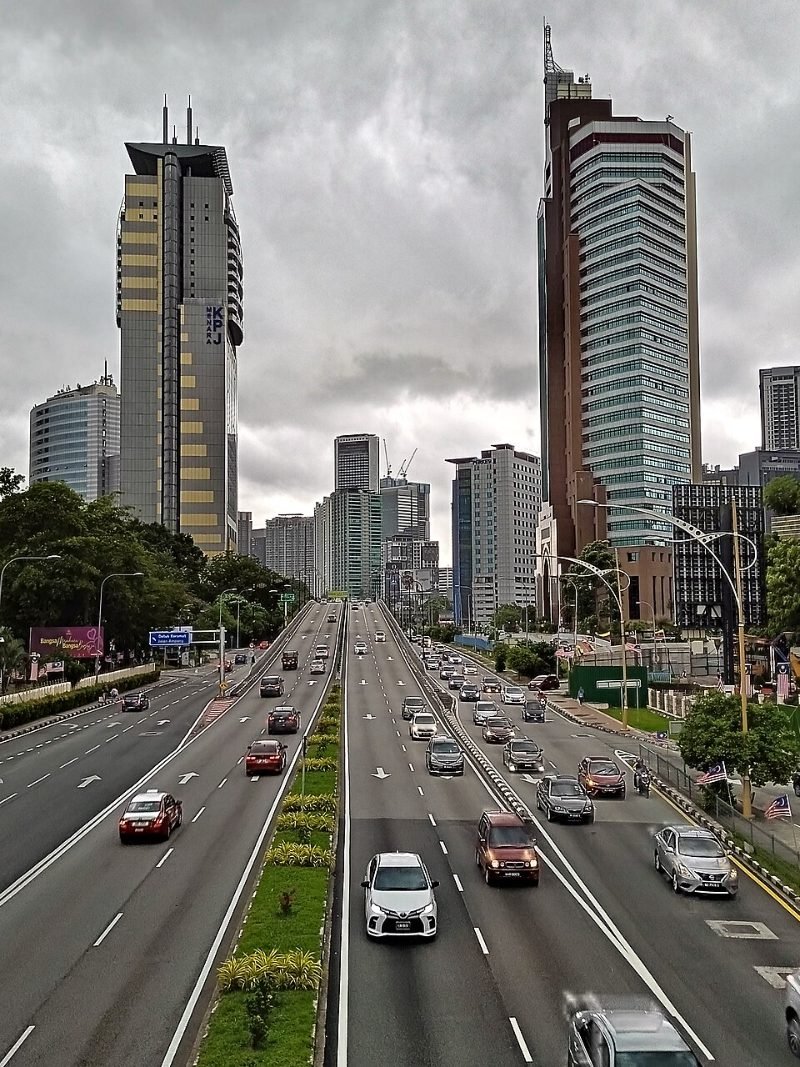
Understanding KL vs Jakarta vs Bangkok helps tenants and businesses budget with confidence. When comparing KL vs Jakarta vs Bangkok, always check whether figures are gross or net of service charges. Tracking KL vs Jakarta vs Bangkok over time makes it easier to time a renewal or relocation. Benchmarking KL vs Jakarta vs Bangkok across buildings keeps fit-out and headcount plans realistic. In short, KL vs Jakarta vs Bangkok reward tenants who do their homework before signing.
Choosing a Southeast Asia regional headquarters is not an exercise in geography — it is a strategic financial, operational, and talent decision that compounds over years. Kuala Lumpur, Jakarta, and Bangkok are the three most seriously contested candidates for MNC regional bases in 2026, each with a genuinely distinct value proposition.
Singapore once dominated this conversation by default. That default is now being actively questioned. Operating costs in Singapore have risen to a point where many CFOs are instructing teams to build the business case for an alternative, and KL, Jakarta, and Bangkok are the cities filling that brief.
This guide moves beyond surface-level comparisons. It gives you the operating data, the regulatory context, the talent reality, and the practical trade-offs across all three cities — so your location decision is built on evidence rather than assumption.
Quick Comparison: KL vs Jakarta vs Bangkok
- KL Grade A Office Rent: RM 7–12 psf/month (KLCC/TRX corridors, 2026)
- Jakarta Grade A Office Rent: USD 18–28 psm/month (SCBD/CBD, 2026)
- Bangkok Grade A Office Rent: THB 850–1,400 psm/month (Silom/Sathorn/Asok, 2026)
- Corporate Tax Rate: Malaysia 24% (incentives available to 0%); Indonesia 22%; Thailand 20%
- English Proficiency: KL — High; Bangkok — Moderate; Jakarta — Moderate
- Political Risk Rating: Malaysia — Low; Thailand — Moderate; Indonesia — Low-Moderate
- Visa/Work Permit Complexity: Malaysia — Low; Thailand — Low (LTR); Indonesia — High
- Consumer Market Size: Malaysia 33m; Thailand 70m; Indonesia 270m+
Kuala Lumpur: The Case for Malaysia
Kuala Lumpur has built a compelling argument for the regional HQ role over the past decade — not by competing on market size, but by systematically addressing the cost, talent, regulatory, and quality-of-life axes that determine where international businesses can operate most efficiently.
Cost Structure
KL offers the lowest all-in operating cost of the three cities for equivalent function. Grade A office space in the KLCC and TRX corridors runs at roughly RM 7–12 psf/month — materially lower than Jakarta’s CBD and significantly below Bangkok’s prime Silom-Sathorn precincts on a like-for-like basis. Salary levels for experienced bilingual professionals are competitive, and the cost of executive relocation packages is lower than any comparable ASEAN city.
English as a Working Language
Malaysia’s English proficiency is among the highest in Southeast Asia, consistently ranked in the top three ASEAN nations by EF English Proficiency Index. For an MNC establishing a regional hub, this eliminates a significant operational friction point: internal communications, client calls, contract negotiation, regulatory filings, and vendor management can all operate in English without requiring translation infrastructure. This advantage is tangible and persistent — it reduces training costs, shortens onboarding cycles, and allows international talent to integrate quickly.
Regulatory and Tax Incentives
Malaysia’s Principal Hub incentive — administered by MIDA — provides qualifying companies with a preferential corporate tax rate of 0%, 5%, or 10% for a five-year period, renewable based on performance commitments. The Malaysia Digital status, previously MSC Malaysia, provides additional incentives for technology and digital economy companies including import duty exemptions, no foreign equity restrictions, and access to a pool of knowledge workers. These incentives are not available in Jakarta or Bangkok at comparable scale or certainty.
Talent Pool
KL’s talent market is deep in finance, technology, shared services, and professional services. KPMG, Deloitte, HSBC, Standard Chartered, Shell, and dozens of other MNCs run significant regional operations from KL — creating a professional talent market with genuine regional experience. Graduate output from local universities is high, and the city draws returning Malaysian diaspora from the UK, US, and Australia who bring international exposure back into the workforce.
Connectivity
KLIA handles over 60 destinations across Asia, the Middle East, and Europe. The KLIA Ekspres rail link connects the airport to KL Sentral in 28 minutes, and KL Sentral itself sits at the intersection of multiple rail lines connecting to the broader city. For regional teams travelling frequently across ASEAN, KL’s air connectivity is sufficient for most route networks — with the exception of certain secondary Indonesian cities where Jakarta’s Garuda network is more direct.
Quality of Life
KL consistently ranks well for expatriate quality of life on cost-of-living-adjusted indices. Healthcare standards are high and affordable by regional benchmarks. International school provision is well-developed. The food culture is genuinely exceptional. Crime rates are lower than Jakarta, and day-to-day safety for expatriates is a non-issue for most. The city operates at a pace that is more humane than Singapore without sacrificing professional ambition.
Jakarta: The Case for Indonesia
Jakarta’s argument rests on one overwhelming fact: Indonesia is Southeast Asia’s largest economy by GDP and its most populous nation at 270 million people. For any business whose growth is tied to consumer market access, manufacturing supply chains, or Indonesian regulatory positioning, presence in Jakarta is not optional — it is a strategic necessity.
Market Access
Indonesia’s GDP surpassed USD 1.3 trillion in 2023 and continues to grow at approximately 5% annually. The middle class is expanding rapidly, urban consumption is rising, and the digital economy — e-commerce, fintech, logistics — is among the fastest-growing in the world. Companies in consumer goods, financial services, logistics, and digital sectors cannot serve this market effectively from KL or Bangkok. You need to be in country, and Jakarta is the commercial capital.
Cost and Infrastructure
Jakarta’s Grade A office market (SCBD, Sudirman, Gatot Subroto) offers rates at USD 18–28 psm/month — higher in absolute terms than KL on a psm basis when currency-adjusted, though the gap narrows at mid-market. Jakarta’s infrastructure has improved significantly: the MRT line, toll road upgrades, and continued Tangerang development have reduced the city’s notorious congestion problem, though traffic remains a real daily variable for operational planning.
Regulatory Environment
Indonesia’s regulatory environment remains the most complex of the three cities. Foreign ownership restrictions apply across many sectors. Work permit processing for expatriates requires more steps and longer timelines than Malaysia or Thailand. The BKPM (now OSS/BKPM) single-window investment system has improved, but compliance requirements — particularly at the local government level — remain demanding. Companies setting up in Jakarta should budget for dedicated legal and compliance support from day one.
Language and Talent
Bahasa Indonesia is the operating language across most of the business environment outside of multinational-facing professional services firms. English proficiency among senior professionals in banking, consulting, and tech is adequate, but it drops sharply at operational levels. Hiring for bilingual mid-level roles is more competitive and more expensive than KL equivalents. Retention can also be challenging as the Jakarta market for experienced professionals is active and candidates receive frequent offers.
Bangkok: The Case for Thailand
Bangkok occupies a distinctive position in this comparison: it is the most liveable of the three cities for many expatriates, has strong aviation connectivity across ASEAN, and Thailand’s Long-Term Resident (LTR) visa programme has created a genuinely attractive pathway for international professionals. But it trails KL on regulatory certainty and Jakarta on market scale.
Liveability and Expat Community
Bangkok has the largest established expatriate professional community of the three cities. The infrastructure of international schools, private hospitals, serviced apartments, and international retail is deep and well-developed. The cultural richness and day-to-day quality of life consistently draws senior professionals who prioritise lifestyle alongside career. For roles where attracting international talent is a constraint, Bangkok’s liveability premium is a genuine recruiting advantage.
Aviation Hub
Suvarnabhumi Airport has a stronger intra-ASEAN route network than KLIA across certain corridors — particularly into Indochina (Vietnam, Cambodia, Laos, Myanmar) and secondary Thai cities. For businesses with significant operations across mainland ASEAN, Bangkok’s hub position can simplify regional travel logistics in ways KL cannot match.
Tax and Business Environment
Thailand’s corporate tax rate is 20%, slightly lower than Malaysia’s standard rate of 24%, though Malaysia’s incentive programs can reduce the effective rate well below Thailand’s. Thailand’s Board of Investment (BOI) offers tax holidays and import duty exemptions for qualifying investments, particularly in targeted industries including digital, automotive, and healthcare. The LTR visa programme, launched in 2022, provides 10-year residency for eligible professionals and investors — removing the annual renewal friction that characterises many regional visa regimes.
Political Risk
Thailand’s political history includes periodic instability that MNC boards and compliance teams factor into location risk assessments. The 2014 military coup, subsequent constitutional changes, and ongoing political debates represent a category of risk that Malaysia and Indonesia — despite their own political dynamics — have not experienced in the same form. For MNCs with conservative board-level risk frameworks, this is a material consideration that can move the decision toward KL.
Key Decision Factors: A Framework
The right city depends on the specific nature of your regional operations. Use this framework to identify which axis matters most for your business:
- Primary purpose is cost reduction and back-office consolidation: KL wins consistently. The combination of low office cost, English proficiency, and regulatory stability is unmatched.
- Primary purpose is accessing the Indonesian market: Jakarta is non-negotiable. A regional hub in KL or Bangkok cannot substitute for on-the-ground presence in the world’s fourth most populous nation.
- Primary purpose is attracting senior international talent: Bangkok has an edge on liveability, but KL’s improving expat infrastructure is narrowing the gap.
- Primary purpose is technology or digital economy operations: KL’s Malaysia Digital incentives and Principal Hub tax structures provide a financial case that the other cities cannot match.
- Primary purpose is mainland ASEAN coverage (Vietnam, Cambodia, Myanmar, Laos): Bangkok’s geographic position and aviation network give it a functional advantage for teams serving Indochina.
- Primary purpose is regional treasury or finance hub: KL — particularly following investment in TRX as a financial district — is the strongest candidate, with regulatory frameworks and bank infrastructure designed for this role.
Who Wins What: Honest Assessment
KL wins on: operating cost, English language business environment, regulatory transparency, tax incentive depth, and political stability. It is the strongest default for technology-led, professional services, and shared services regional operations.
Jakarta wins on: market size, consumer access, manufacturing supply chain integration, and strategic necessity for Indonesia-focused businesses. You cannot efficiently run an Indonesia-market business from outside Indonesia.
Bangkok wins on: expat community depth, liveability, intra-ASEAN aviation (Indochina routes), and Thailand’s LTR visa. It is the best choice for businesses where senior talent attraction is the binding constraint and for those serving mainland ASEAN markets.
The most common outcome for larger MNCs is a hub-and-spoke model: a primary regional hub in KL (for cost efficiency and incentive access) combined with market-facing presence in Jakarta (for Indonesia) and Bangkok (for Indochina). This structure captures the advantages of each city without forcing a false single-city choice.
Who This Comparison Is For
- CFOs and regional directors evaluating ASEAN city options for a new or relocated regional headquarters
- CEOs of technology and digital economy companies choosing their first ASEAN base
- MNC board members reviewing existing Southeast Asia operational footprints against updated cost and efficiency benchmarks
- Corporate real estate and location strategy advisors preparing board-level location papers
- Finance and HR leaders building the business case for a regional hub relocation or consolidation
For official market and investment context, see MITI and MIDA. For practical leasing steps, read our guide on how to rent office space in KLCC, which complements this overview of KL vs Jakarta vs Bangkok.