Overview: KLCC Real Estate Investment — What Investors Need to Know in 2026
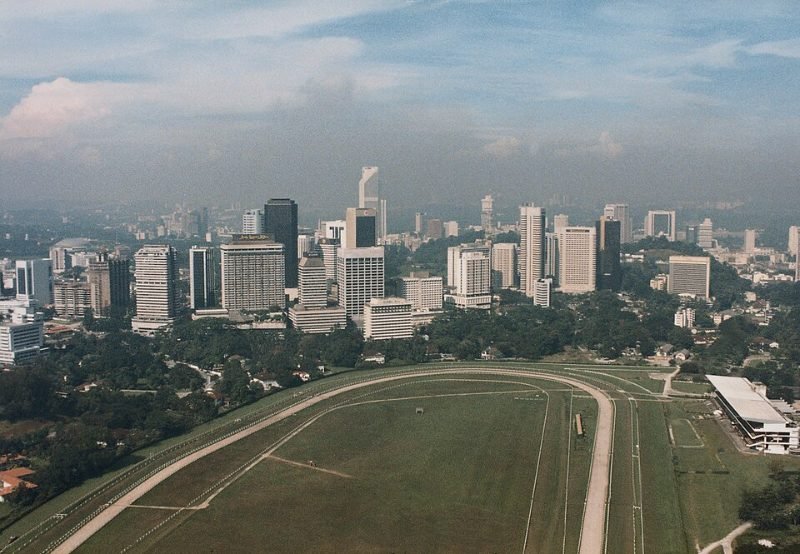
Understanding KLCC real estate investment helps tenants and businesses budget with confidence. When comparing KLCC real estate investment, always check whether figures are gross or net of service charges. Tracking KLCC real estate investment over time makes it easier to time a renewal or relocation. Benchmarking KLCC real estate investment across buildings keeps fit-out and headcount plans realistic. In short, KLCC real estate investment reward tenants who do their homework before signing.
KLCC commercial real estate is a significant investment asset class within Malaysia’s property market. The precinct’s Grade A office towers are owned by a mix of REITs, government-linked corporations, and private developers — with the most prominent being KLCC Property Holdings (a Petronas subsidiary) and various listed and unlisted vehicles. For investors evaluating KLCC commercial property, understanding the market structure, listed investment options, yield environment, and outlook is essential context before making allocation decisions.
Quick Facts: KLCC Investment Market 2026
- KLCC REIT (listed on Bursa): KLCC Property and REIT (KLCC:MK) — owns Menara Maxis, Menara 3 Petronas, Suria KLCC, Mandarin Oriental
- Current KLCC REIT distribution yield: Approximately 4.0–5.5% (varies with unit price)
- Direct Grade A office values: RM700–1,200+ psf depending on building quality and location
- Capitalisation rate (prime KLCC office): ~5.0–6.5% (net initial yield)
- Market vacancy (Q1 2026): 18–22% — headwind for capital values
- Primary listed vehicle: Pavilion REIT, IGB REIT, KLCC REIT on Bursa Malaysia
Key takeaway: For most retail and institutional investors, KLCC commercial real estate exposure is most efficiently accessed through listed REITs — KLCC Property and REIT being the primary vehicle. Direct office investment in KLCC requires significant capital, involves active management, and faces near-term headwinds from elevated vacancy. REIT investment provides diversified KLCC exposure with liquidity and income distribution.
Investment Market Overview
The KLCC commercial real estate investment market is dominated by large institutional owners. KLCC Property Holdings Berhad — a Petronas subsidiary — owns the Petronas Twin Towers, Menara Maxis, Menara 3 Petronas, Suria KLCC mall, and the Mandarin Oriental Hotel through a stapled REIT and property company structure listed on Bursa Malaysia (KLCC Property and REIT, or KLCCP). This makes KLCC Property and REIT the primary listed vehicle for investors seeking KLCC commercial exposure. Other KLCC-area commercial properties are owned by private developers, overseas investors, and various unlisted vehicles that transact in Malaysia’s commercial real estate investment market.
The investment case for KLCC commercial real estate in 2026 is nuanced. On one hand, KLCC’s institutional quality — long-term institutional tenants, strong building management, iconic address — provides income stability. On the other hand, elevated vacancy (18–22%) suppresses rental income growth and creates downward pressure on capital values relative to fully leased buildings. The prime KLCC buildings (Menara Maxis, Menara 3 Petronas) benefit from their scarcity value and institutional landlord management; secondary KLCC stock faces more competition from a supply-heavy market.
REITs and Listed Vehicles
KLCC Property and REIT (KLCCP) is the premier listed vehicle for KLCC commercial exposure. The stapled structure combines a REIT (holding income-producing assets including Suria KLCC mall, Mandarin Oriental, and the office towers) with a property company (KLCC Property Holdings). Distribution yields have ranged in the 4–5.5% range in recent years, with the retail component (Suria KLCC) being a more stable income contributor than the office towers given the office market vacancy environment. The REIT is Shariah-compliant and held by both domestic and international institutional investors. For investors who want to access KLCC’s income without direct property ownership, KLCCP offers liquidity and professional management in a single listed entity.
Direct Investment in KLCC Office
Direct investment in individual KLCC office units (strata title) or whole buildings is available but at significant capital thresholds. Strata office units in selected KLCC buildings trade at RM700–1,200+ psf for prime-grade stock. Whole-building acquisitions in the KLCC precinct are rare — most institutional-quality buildings are held by GLCs, REITs, or long-term developers — but off-market transactions occur periodically. For direct investors, the primary considerations are: current occupancy and WALE (weighted average lease expiry), building specification and age, management quality, and the outlook for vacancy recovery. At current capitalisation rates of 5.0–6.5%, KLCC office investments provide income returns broadly in line with Malaysian REIT distributions, with capital appreciation dependent on vacancy recovery and net effective rent growth.
KLCC Investment Metrics vs Greater KL Submarkets
| Submarket | Cap Rate | Typical Value (psf) | Vacancy Risk |
|---|---|---|---|
| KLCC Prime | 5.0–6.0% | RM900–1,200+ psf | Moderate — prime buildings hold |
| KLCC Mid-tier | 6.0–7.5% | RM600–900 psf | Higher — competing with new supply |
| KL Sentral | 5.5–6.5% | RM700–950 psf | Lower vacancy — better occupancy |
| TRX | 5.0–6.5% | RM900–1,200 psf | Moderate — new supply absorbing |
| Bangsar South | 6.5–7.5% | RM500–750 psf | Moderate — competitive campus market |
Who This Is For
- Private and institutional investors evaluating Malaysian commercial real estate allocation in 2026
- REIT investors on Bursa Malaysia considering KLCCP or other listed real estate vehicles with KLCC exposure
- Overseas investors assessing the Malaysian commercial property market as part of a Southeast Asia real estate strategy
Considerations Against
- Direct KLCC office investment in the current high-vacancy environment carries near-term income risk — vacancy takes time to recover and effective rents are below peak levels
- Retail investors are better served by REIT exposure (liquidity, diversification, professional management) than direct office ownership, which requires substantial capital and active management
For official market and investment context, see MITI and MIDA. For practical leasing steps, read our guide on how to rent office space in KLCC, which complements this overview of KLCC real estate investment.
Frequently Asked Questions
What is the best way to invest in KLCC real estate?
For most investors, KLCC Property and REIT (KLCCP) listed on Bursa Malaysia provides the most accessible, liquid, and professionally managed exposure to KLCC commercial real estate. It owns the precinct’s most iconic assets — Menara Maxis, Menara 3 Petronas, Suria KLCC, and the Mandarin Oriental Hotel — with a track record of stable distributions and institutional-quality management.
What rental yield can I expect from a KLCC office investment?
Prime KLCC Grade A office buildings transact at capitalisation rates of approximately 5.0–6.5%, implying net rental yields in this range on purchase price. After accounting for property management fees, maintenance costs, and vacancy provisions, net returns to investors are in the 4–5% range for well-leased buildings, lower during high-vacancy periods.
Is now a good time to buy KLCC office property?
Current high vacancy (18–22%) has suppressed both rents and capital values relative to peak. For investors with a 5+ year horizon and conviction in KLCC’s long-term demand recovery, the current environment may offer attractive entry points — particularly in mid-tier buildings where motivated sellers are more likely. For investors requiring immediate income stability, prime buildings with high occupancy command premium prices that reflect their lower risk.